
Dubai's Luxury Market: A Global Magnet
Dubai has cemented its position as one of the world's premier luxury real estate markets. In 2026, AI analysis reveals a market that continues to attract global wealth while evolving in sophistication and depth.
This comprehensive analysis uses predictive modeling and transaction data to map the dynamics of Dubai's high-end property segment—from trophy villa transactions to branded residences and waterfront penthouses.
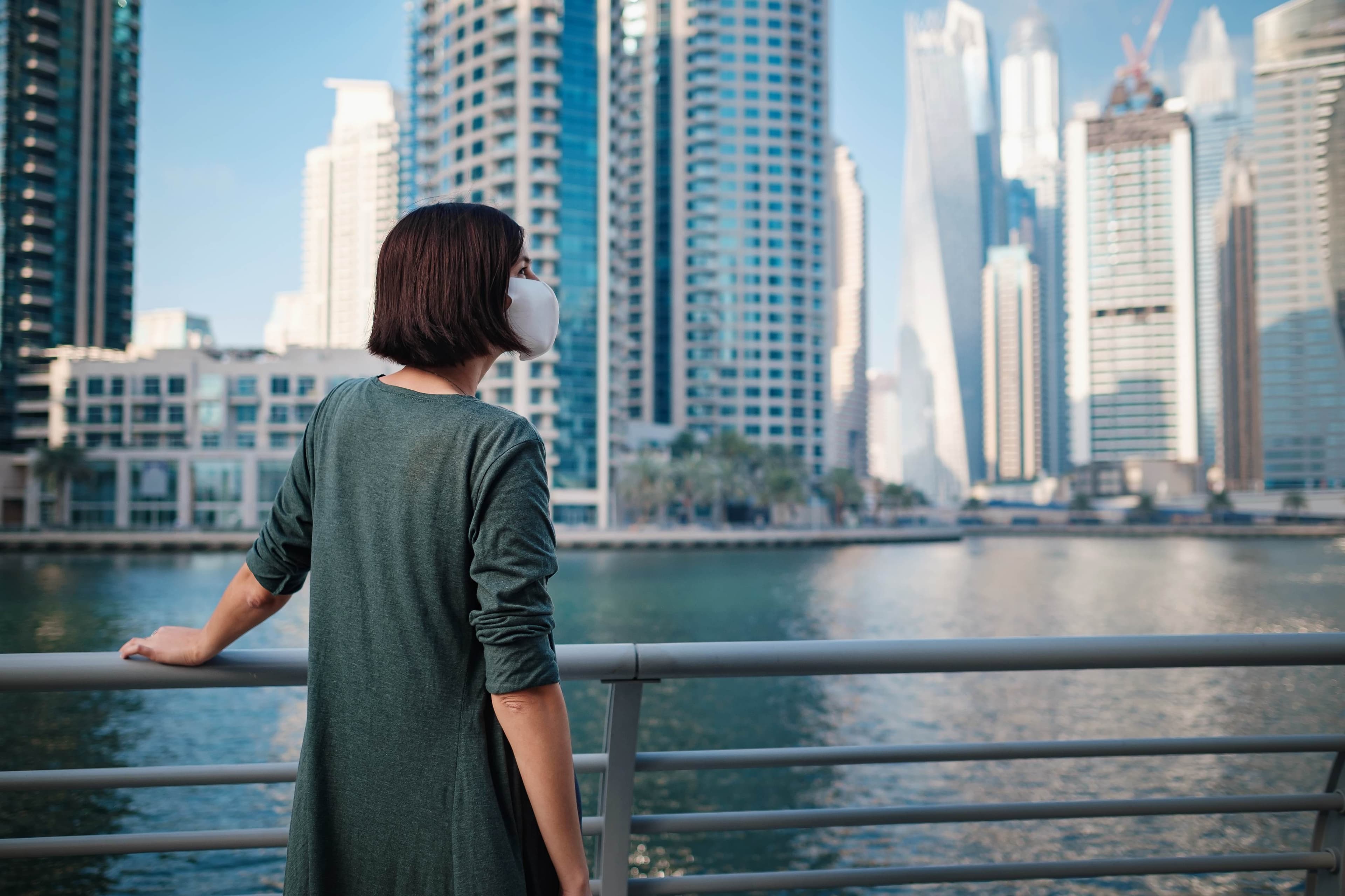
Ultra-Prime Segment Performance
The ultra-prime segment (AED 30M+) continues to defy broader market normalization. AI analysis of 2025 transaction data shows:
Palm Jumeirah villas: Average transaction prices up 8-12% YoY, with beachfront villas commanding AED 5,000-8,000 per sqft.
Emirates Hills: The most exclusive villa community maintains its status with prices reaching AED 100M+ for signature estates.
Branded residences: Projects by Bulgari, Four Seasons, and Armani consistently trade at 20-40% premiums over comparable unbranded properties.
AI models project continued strength in this segment, supported by limited supply and persistent demand from UHNWI buyers relocating to Dubai.
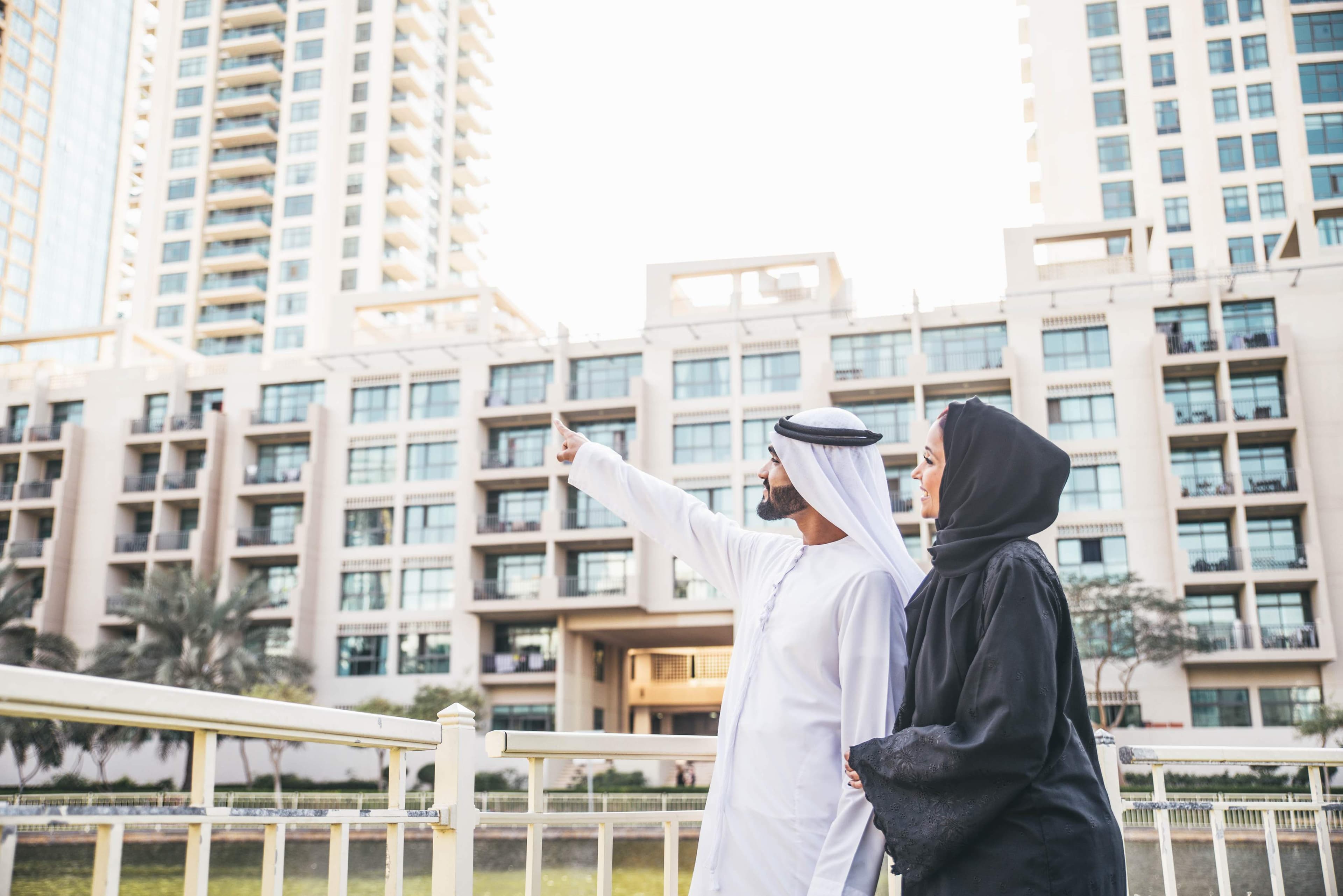
The Wealth Migration Effect
AI-tracked data on capital flows and buyer origin reveals the driving forces behind luxury demand:
European wealth: Political and tax uncertainty in Europe continues to push HNW families toward Dubai's stable, tax-free environment.
Indian capital: Rapidly growing Indian wealth is the fastest-rising source of luxury property demand, particularly in branded and waterfront segments.
CIS and Russian buyers: Despite geopolitical complexities, this buyer cohort remains active in the ultra-prime segment.
Chinese investors: Post-reopening capital outflows are increasingly directed toward Dubai's prime properties.
Dubai's strategic positioning, safety, lifestyle, and connectivity make it the natural choice for mobile global wealth in 2026.

Emerging Luxury Hotspots for 2026
Beyond established prime areas, AI identifies several emerging luxury destinations:
Dubai Islands: The successor to Deira Islands is attracting significant developer interest with luxury resort-style communities.
Dubai Canal District: Waterfront living in the heart of the city, with increasing luxury project launches.
MBR City (District One): Crystal lagoons, lush landscapes, and premium villas are drawing discerning buyers seeking spacious luxury.
Jumeirah Bay Island: Ultra-exclusive island development with Bulgari and other premium brands, commanding top-tier prices.
Early positioning in these areas could yield 15-25% appreciation as they mature and gain critical mass.
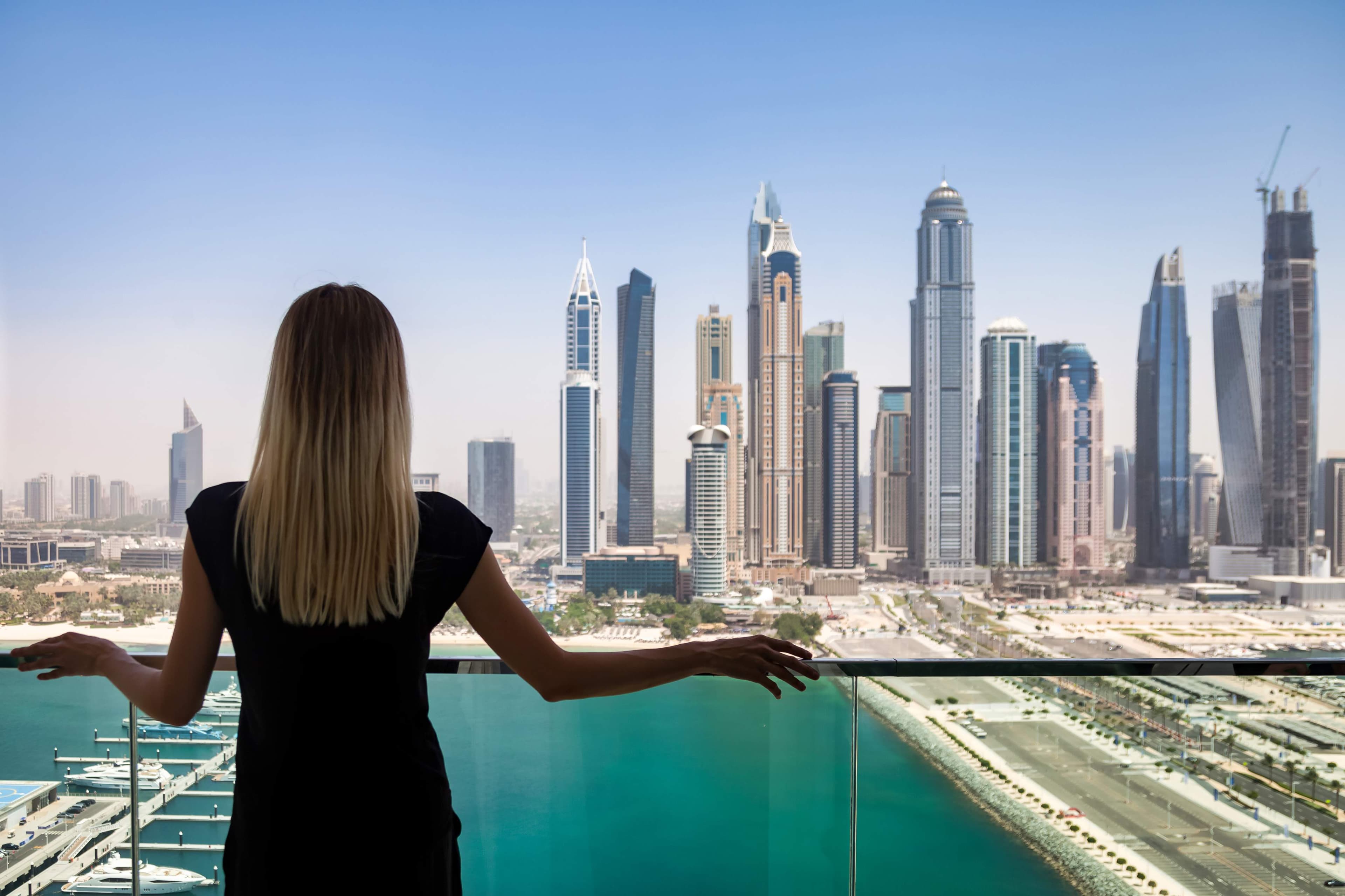
Luxury Real Estate in Dubai: The Definitive Destination
Dubai's luxury property market in 2026 is the product of a unique convergence: world-class infrastructure, a welcoming regulatory environment, global connectivity, and an unmatched lifestyle offering.
For buyers and investors in the luxury segment, AI-powered analysis provides the intelligence needed to identify the right property, at the right price, in the right location. The window of opportunity remains open for those who act with insight.
Ready to experience AI-powered real estate?
Discover how Hayy.AI can transform your property search, investment analysis, and market intelligence.
Explore Hayy.AI →
.jpg&w=3840&q=75)